Of Amazing Things / explora / guias-miami
Family guide to navigating Miami summer with less stress
How to plan family outings and routines when heat, humidity, and rain hit Miami at the same time
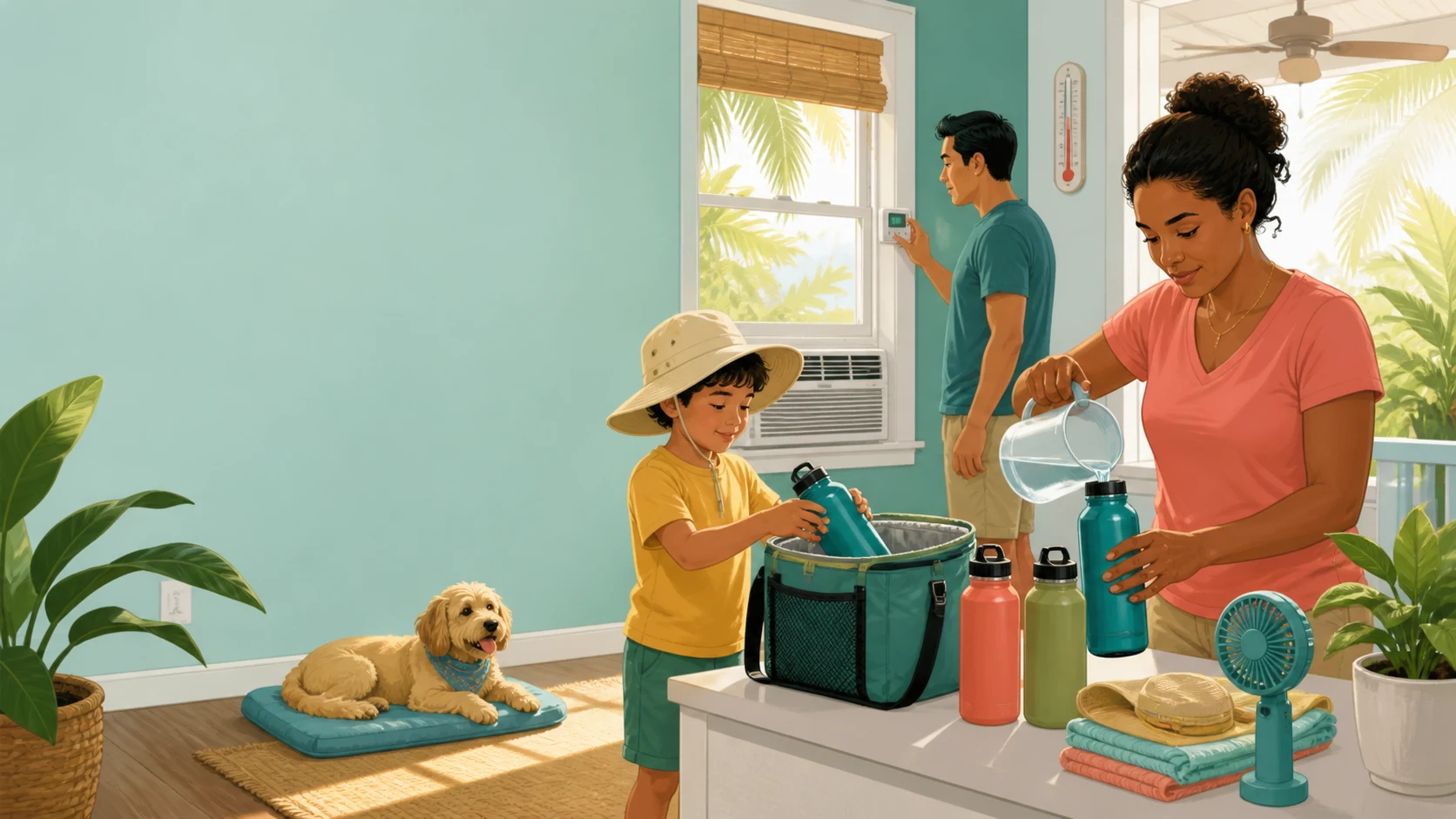
What “summer in Miami” really means for a family
Summer in Miami is not only higher temperatures. Families usually face three overlapping variables: heat, humidity, and frequent heavy rain. The practical impact is not abstract. It changes when you should go outside, how long you should stay outside, and which routes are safer to use.
This guide is not a promise to be perfect. Its purpose is to turn public information into a repeatable family routine: what to do, what to bring, and what to reschedule based on conditions.
Step one: separate official guidance from preference
In safety decisions, separate three things:
- Official signal: heat warnings, weather warnings, and agency recommendations from official sources such as Ready.gov, NWS Miami-FL, and Florida emergency pages.
- Family preference: park choice, restaurant preference, preferred outing style.
- Limits: this guide does not replace medical, legal, or insurance advice; it supports prevention planning.
Short version: check risk first, then plan the family schedule.
Daily 10-minute pre-check before going out
Do this at the start of the day with one short note:
- Check the local forecast on weather.gov/mfl and read the trend, not only one temperature value.
- If heat intensity is high, shift long activities to protected hours and reduce direct exposure, then increase hydration intervals.
- Verify transport availability on your route with Miami-Dade Transit; some routes and frequencies may change with demand and weather.
- Confirm shade, bathrooms, parking, and return options, especially with children.
This routine is not emotional. It is a simple risk-control method that prevents small planning mistakes from becoming a stressful day.
Family outing kit: logistics before preference
Build a kit you can pack in 90 seconds:
- 2 liters of water per person and oral electrolyte mix for long stays outside.
- Hats, sunglasses, and daily sunscreen.
- A mini route map with at least one shade alternative and a nearby restroom.
- Power bank and at least one change of clothes.
- Emergency contacts on paper or phone shortcut: hospital, pediatrician, insurance number.
Rule of thumb: if children are involved, logistics comes before the activity itself. If rest breaks are not planned, the plan becomes a risk of fatigue instead of a family outing.
Transport planning when weather becomes unstable
If you use public transport, use a “return hub strategy”: choose one primary arrival area and one fallback return route in advance.
On very hot days, minimizing long walking segments in midday reduces heat strain. On rain days, avoiding wide detours makes recovery easier if traffic changes suddenly.
From a family perspective, transport is not only duration and cost; it is the ability to come back without last-minute panic.
What to do when heat or storm alerts are active
When an official alert is active, do not improvise. Use a block-by-block protocol:
- Heat alert: shift outdoor plans to shade or indoor spaces; shorten exposure windows and prioritize hydration breaks.
- Severe weather alert: delay optional trips, confirm return route, and fix a prior meeting point.
- If multiple agencies advise restrictions, follow official instructions first and keep family plans secondary.
Useful links for quick review are Ready.gov Heat and Ready.gov Hurricanes.
Use local resources to keep routine stable
Beyond weather, local infrastructure matters: municipal parks, libraries, and community spaces can help maintain continuity while reducing heat stress. The county parks pages and local service pages are useful starting points for finding public shade, indoor activity alternatives, and nearby services.
Starting from official pages avoids the common planning error of switching plans at the last minute with incomplete data. A practical weekly method is to map one family outing by area and one backup by zone, then choose the one that best matches conditions.
Final checklist for the fridge
Before every outing, answer these 5 questions:
- Do I have an updated forecast?
- Does this activity respect heat, hydration, and rest windows?
- Do I have a return alternative if conditions change?
- Did I define route, timing, and emergency contacts?
- Do I know the return impact if transit or traffic is delayed?
If all answers are “yes,” the outing usually runs smoother. If one is uncertain, adjust or move that plan.
Sources and editorial limits
This guide relies on official references and does not provide medical or legal advice. For specific health, legal, or insurance questions, check the corresponding official page and consult the relevant professional.
Sources used here: NOAA/NWS Miami-FL, Ready.gov, Florida Disaster (FDEM), Miami-Dade Transit, and Miami-Dade parks information pages. If any source URL or policy changes, we will update this guide in the next content cycle.
Our honest take
The difference between “surviving summer” and “enjoying summer” is usually three habits: checking official conditions first, keeping logistics simple, and always having a clear return plan. This guide favors reliability over novelty. It may not win you every day, but it reduces avoidable stress for families with short schedules and children.
We do not replace emergency care, legal, or insurance guidance. The piece is intentionally practical and prevention-first, not advisory.
— Of Amazing Things team